Ilaria Argento

Blues Songs

I wasn't born a blues fan. As a child I listened to pop and rock, then as a teenager I moved on to hard rock and metal, along with a thousand other things: Celtic music, electronica, smooth jazz and much more.

I knew the blues, but only from a distance. In Italy it has always been a niche genre. I was familiar with its most famous names: an upbeat, lively blues, with touches of jazz and soul. Enjoyable for my fiery young spirit, but far too little dark and tormented to truly draw me in. I couldn't forgive those famous musicians for trying to put a positive spin on their messages of pain. In short, it was too cheerful a blues for me.

About five or six years before I started composing, I stumbled upon those endless YouTube videos of "Slow Blues" and "Whiskey Blues," and I suddenly realized there were currents within the genre very different from anything I had known. Slow rhythms, sumptuously mournful guitars, songs that broke free from every predictable structure: they captured me instantly, and I began devouring hours of listening. The pain was still there, the hardships and bitterness that life hands you. But this time, the music wasn't trying to make you forget them. It wrapped you in a clean, sometimes minimalist sonic blanket, crafted to amplify those emotions rather than erase them. Music that could push your head deep down into melancholy. Maybe you'd come back up cleansed and redeemed. Or maybe not. But that wasn't the point.

The point was to live the emotion, to heighten it, to let it fill you completely.

Although I had learned to play (a little) acoustic, classical and electric guitar, bass, keyboards and piano, I never considered myself worthy of the blues. When I discovered the complexity of its chords and harmonies as a young woman, I told myself: "Ok, this is music for people who really know how to play. Way beyond me." Writing and producing blues songs was simply out of my reach.

Then AI music came along, and I threw myself into it headfirst. For years I had been trying to create my own music using cheap DAWs and online generators, with simple, forgettable results tucked away in some folder somewhere. AI music changed everything: even its earliest versions could produce something that sounded real. I was hooked immediately.

I started with mainstream pop, the easiest to produce. I experimented, learned how to shape melodies and write lyrics. I briefly returned to an old love: hard rock. I have a restless, multifaceted soul. I've always loved doing many different things, even at the same time. It keeps my spirit alive, and my mind sharp.

Then one day, having finally gained some confidence with the tool, I asked myself: "What if I tried making a blues song? The kind I actually love?"

Needless to say, the result struck me in the best possible way. And from that moment on, I never stopped.

Midnight Lies

Midnight Lies

"Midnight Lies" is an album about the night, one that takes you on a journey through it. The deep night, the one that begins when ordinary people have gone to sleep. During the night every mask falls away, the need to chase expectations and obligations fades, and you can finally be yourself. You can look straight at that part of you — the truest part — that during the day you don't want (or can't) show. The album is an ideal journey from midnight to dawn, where each hour marks a moment of this confrontation with your own inner self.

The first track, "Midnight Lies", takes place at midnight. The lies and deceptions are still standing. You try to use them to have fun and find a bit of joy after the weariness of the day. You try to bend them to your advantage, playing at being better than you actually feel. When the parties are over and you're left alone, the bitter, sad memories arrive. "Heart Made for Bleedin'" is a reflection on all the loves that never loved us back, the mistakes we made, the people who left us... everything that makes us say "I was never loved." And yet, each of us has received at some point in life a gesture of sincere love or affection. And while we dwell on how little love we've received, that single gesture rises back to memory: "Slow Burn Kiss" lets us taste it again, intense and burning with the emotion we still remember, even though it flew away forever.

"Dance with Me" tells us the night isn't over yet. There's still time for one last dance, to hold close one more time that girl so young and pure in her untouched beauty, before letting her go into the chaos of parties and dances, of the men who will pursue her and the loves that will consume and ignite her. Dancing with her, we too can remember the freshness of those times and the carefree spirit of those who can live the night without yet having to face their own ghosts.

The night draws closer to its darkest hour, and it's time to reckon with our sins. "Satin and Sins" walks us through the awareness of all the times we were deceived into serving someone else's desires, led toward emotions and choices that only served their benefit, only to be discarded — once again alone and emptied — into the night. And so here we are in an empty room, facing a wall where shadows paint memories and regrets. In "Shadows on the Wall" our ghosts arrive one by one, not to torment us but to keep us company. There is no judgment, but at this late hour there's no more denying what has been. The only thing left to do is accept their existence and live this moment of deep intimacy, in an empty room, completely bare before ourselves.

Once the ordeal is over and we've accepted ourselves, "Lullaby" comes to bring us some relief. A friendly voice born from within us that says: "You've done enough. Now you can rest a little." The darkness is all around us, but one way or another we've learned to dance with it, and we can close our eyes for a few minutes of peace.

But dawn hasn't arrived yet, and sleep remains restless. We wake, not yet redeemed, and when the whole world is silent we realize that redemption can never be ours. It's too late, because we've gone too far. When we reach true awareness, we no longer deny our sins and accept that they are part of us — that they shaped us just as much as our virtues did. "Too Late for Prayin'": if there truly is a divine being capable of judging us, at least we can stand before it aware of what we are, able to say that we did our best.

The inner journey is complete: we have faced ourselves and moved beyond every bitterness and pain. It's time to step out into the deserted streets, into a world emptied and still, silent, where you are free to be anyone — even yourself. You are free to walk barefoot down the middle of the road, to dance from one sidewalk to the other, to gaze at the stars with a stranger... "'Til the Morning Comes".

Even the night, in the end, is about to fade. Light begins to appear slowly and pale on the horizon, a promise of new colors in the sky. "Night Is Over": you are still you, and yet it's as if you were a new person, cleansed of every guilt. You danced with your demons and instead of running, you accepted them. Standing still as you watch the dawn arrive, you can experience an inner peace you cannot explain. Neither joy nor torment: you can almost hear the music of the world echoing softly beyond the buildings, toward the hills and the distant horizon. You let the new day rise and burn away the night that has passed, forever carving within you the awareness of what you lived and felt.

And when, hours later, the light is all around you and shines fiercely upon the world, you can still feel that peace and that unfamiliar, newfound strength burning quietly in your chest, filling your soul with music.

Fallen

Fallen

"Fallen" is an album with a strong spiritual and religious dimension. I chose this name to convey the right message straight away: this isn't about falling... we have already fallen from Grace. It's not time to prevent it, it's time to accept it. And move on.

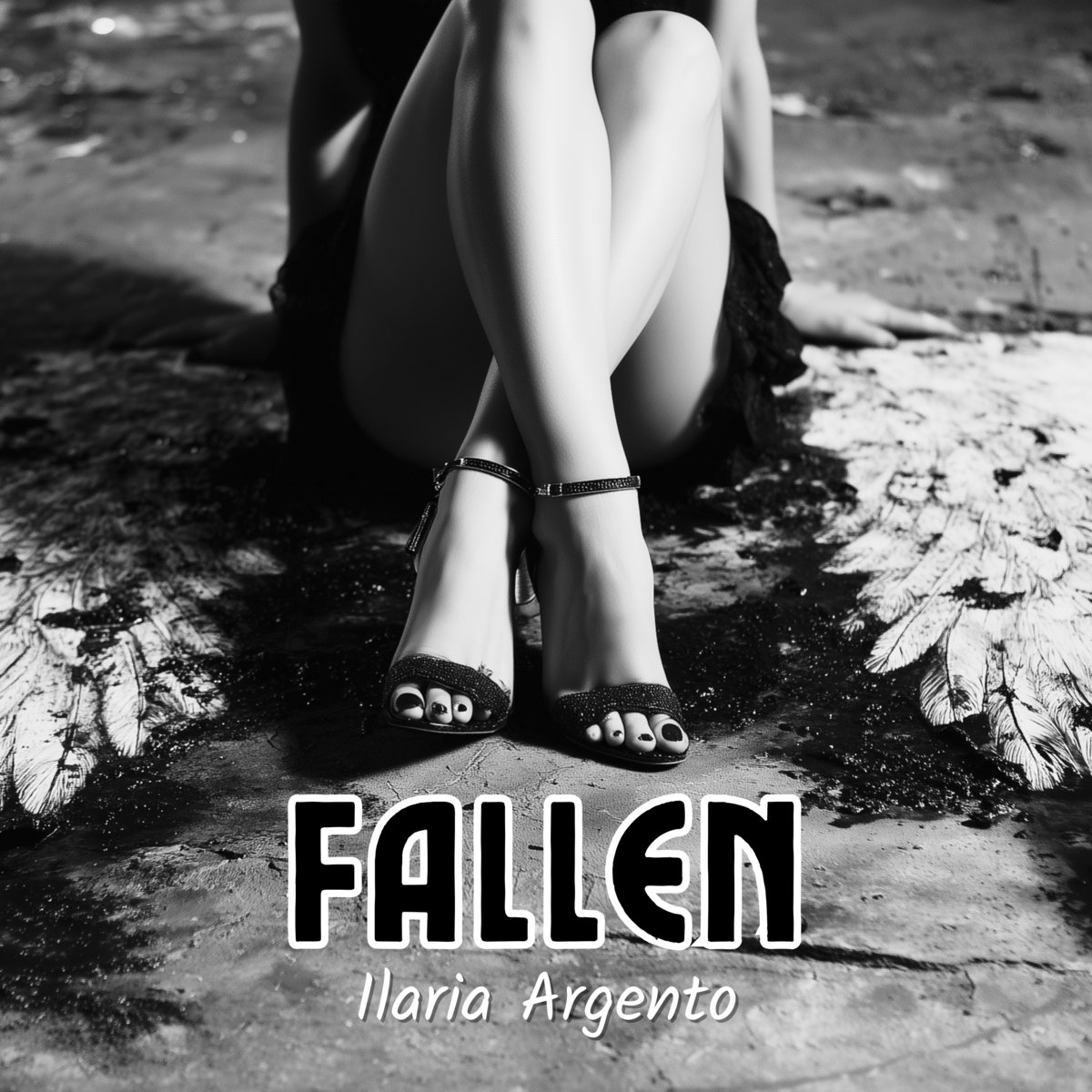
This album has my favorite cover so far. I remember I didn't have a specific image in mind. It came together through experimentation, trying things out, testing. Our pure, innocent angel wings are fused into the dirty, filthy ground, completely destroyed by something that burned away every trace of light and purity. And sitting among them, as if they still belonged to us, there we are: beautiful, well-dressed, with nice shoes, polished nails, and long, smooth legs. It's the symbol of our modern world: spiritual, divine beings who try every day to be — or at least to appear — at their best, while struggling through a colorless, dirty world.

Unlike the first album, this one doesn't follow a defined path or story. It's a collection of images and situations, a Renaissance fresco of a world where once-pure beings must endure the hardship of earthly life.

"Heaven Won't Listen" is a direct accusation aimed at paradise. Heaven has no interest whatsoever in saving us. They don't listen, they don't care about us, no matter how much we pray. We see the effects everywhere: while we struggle and toil, no one comes to help us, or even to acknowledge us. Abandoned and ignored, we'll find our own way to carry on.

"Gray Sunrise" was supposed to be part of "Midnight Lies," but at the time of that album's release it wasn't ready and didn't fit the theme. Here the night is already over; the song is about a cruel, gray dawn, anything but reassuring, that denies the protagonist the comfort she so desperately needs after wandering the city all night. Yet even immersed in the despair of her troubles, she searches for any golden glimmer behind those gray clouds.

Tired of trying to hold everything together when everything constantly threatens to fall apart around us, we decide to challenge fate: "Let the Sky Fall" — let the sky come crashing down, let everything go to ruin. The effort to keep it all together is too monumental, and we are too exhausted. What's the point of carrying on when it's clear that destiny wants things to change? Then let them change, in the most thunderous and terrible way possible. We'll fight our way through the debris and, dirty but still alive, find another place to live.

"Sacred" is a song about sacred prostitution, brought into a modern perspective. Before monotheism, sexuality was far more intertwined with religion and faith. What would a modern cult look like where priestesses could channel sexual energy toward their god? This was also the first video where I experimented with some AI-generated scenes.

"Would You Let Me Come In" tells the story of the night from an unusual point of view. Even monsters can be afraid of the night, of its dangers, and — above all — of loneliness. We never stop to think that a monster might crave us viscerally not out of hunger or violence... but out of a terrible desire for love.

"The Wrong Turn" is a deeply personal song. It tells the story of my own damnation as a transgender woman. When I was younger, I had the chance to begin medical transition to feminize my body, and if I had, I would be in a much happier place today. For a number of reasons I didn't, and now I bitterly regret it. I could have taken the right road, but instead I took the wrong one... and now I'm condemned to live my own personal hell.

How many times in movies or songs have we seen angels as objects of human romantic desire? "Can't Love an Angel" tells us this is impossible: angels are something far too alien and different in their essence for there to be any real connection between us and them. We can only admire and love them from afar, the way you can love the endless sea or the wind that never stops.

"Let the Love Sing" is the album's positive turning point. It's a song that blends blues and gospel into a joyful hymn meant to inspire us to let love flow — always. Unconditionally. No ifs, no buts.

"Couldn't" is an intentionally wild song. It makes no logical sense. It's a jumble of chaotic declarations about our inability to resist love and desire. It tries to convey the message that the human essence is made — at its core — of thought-free emotion. No logic, no mind, just pure and simple emotion.

"Survive" is the album's epilogue and ties together all the messages within it. We are scattered in this world of danger and hardship. We have fallen, and perhaps we will never return to Grace. We are alone, naked, and without purpose. But we survive. Day after day, hour after hour, we keep walking. We all share this bitter fate. Yet even in the damnation of an incomprehensible existence, we still hold in our hands the power to choose our own path.

Unhearded

Unhearded

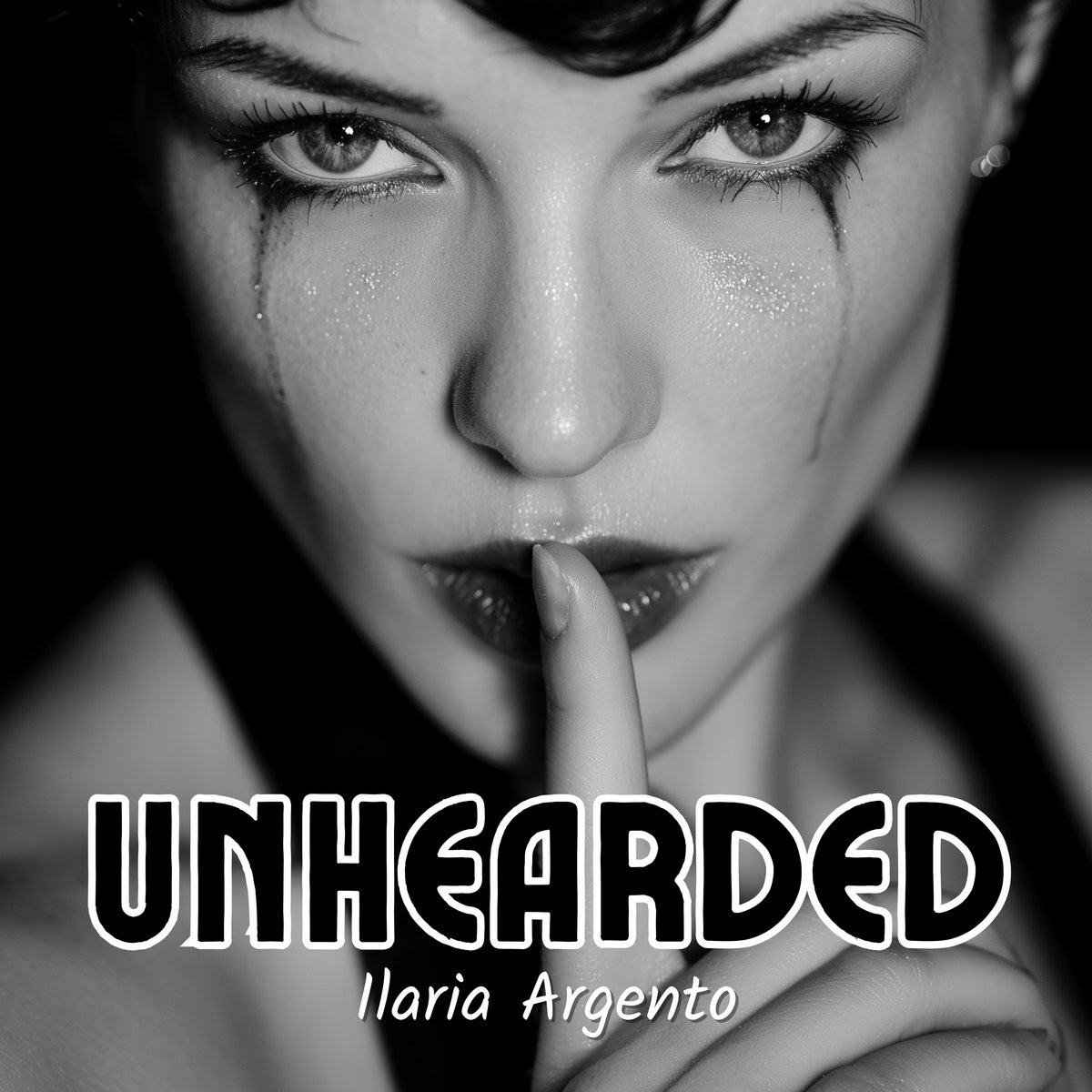
The title of my third album doesn't exist. "Unhearded" is not a real English word. I'm originally Italian, and we Italians love to twist language to suit our needs... out of convenience, but also to evolve meanings and make them more layered and intense. In the songs on this album, I poured many things I believe go unheard in the world, along with things I've screamed or wanted to scream that remained unheard. But the word "Unheard" wasn't enough to describe them: it needed to be amplified, charged with desperation and pain. Always remember: words exist to express what we feel; if they aren't enough, don't be afraid to invent new ones.

The album opens with "Slow the World Down", one of the songs I love the most. The entire lyric is a personal cry against a frantic, competitive, merciless world: this way of living is not human. We walk too fast, we think too fast, we forget too fast. We were not born to run like this. For our own sake... let's learn again how to slow down, and breathe.

"Can't Wait to Love You" is a love song. The blues gives us the chance to go beyond the usual images of love and linger on those we'd rather not confess, yet which are sometimes the truest and most real: the desperation of missing someone, the overwhelming, commanding desire to see them again, to feel their touch once more, their voice, their breath on our skin.

With "...And the Rain Will Fall" I gave voice to the darkest despair and resignation. Very little lyrical construction, just image after image in a pure stream of memories and consciousness. And above it all, the devastating awareness that even if things get better, sooner or later the rain — and the pain — will inevitably fall again. There's no escaping it; you can only come to terms with it.

"She Walked Away from Paradise" tells a forbidden story. While in "Fallen" we experienced the fall and being exiled to a desolate, sorrowful earth, here we find the story of a woman — or perhaps a feminine spiritual being, maybe an angel — who chooses of her own free will to leave paradise because she doesn't approve of its methods and philosophy. She isn't cast out; she herself chooses a mortal path because she believes it's better for her. There is no shame, no sin, only a deep awareness of who she is and what she desires. Leaving paradise of your own free will is a blasphemy, a sacrilege... yet in the video she shows no regret as she caresses a tree, as she experiences pregnancy in her own body. Her gesture is gently destructive: no criticism, no conflict... but through her simple, conscious choice she shatters a thousand-year-old creed.

"All My Sins" is an intimate, secret moment. At night, at a piano, with no one listening. Only in a moment like this can you be truly honest with yourself, and face your own memories, your own sorrows, your own sins. If you speak them while no one can hear, it's as if they were never said; yet somehow that confrontation will stay within you, deep down.

"Behind the Velvet Smile" picks up the confessional thread of the previous track, but this time in front of everyone, on a stage. What goes unheard here is the pain the singer feels even as she's forced to perform for other people's entertainment. A velvet smile hiding deep wounds. She tries to communicate her suffering while she sings, while she smiles... but no one hears what she truly wants to sing.

The sorrows we carry that can hardly be heard by those around us are many. One of the most intense and universal is the pain of losing someone important. Some manage to move on; others can't let go of the memories and find comfort in the thought that "Every Step Closer": every moment that passes is a moment closer to the hoped-for reunion with the one they loved and lost.

"Last Train Blues" brings this journey to a close with one of the most beloved symbols in the blues: the train. The last train that could have carried us to happiness, to the destination we wanted to reach. But the train has already left and we missed it, leaving us alone and lost in an empty station. With no one to hear our disappointment and bitterness.

A Merry Blues Christmas

A Merry Blues Christmas

I've always had a soft spot for Christmas and its atmosphere. And deep down, I've always envied artists who made Christmas albums — especially those where they reimagined the classic holiday songs.

This album is my own personal Christmas album, where I took the best traditional songs, reworked their lyrics with a modern twist, and converted them to the blues.